Silvanus’s Treks
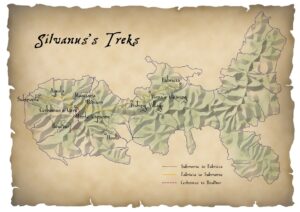
I just discovered a map Silvanus must have made, showing his treks across Ilva. How do you like it?
Actually, it was made for him by a brilliant cartographer in Russia, Polina Vorontsova.
I just discovered a map Silvanus must have made, showing his treks across Ilva. How do you like it?
Actually, it was made for him by a brilliant cartographer in Russia, Polina Vorontsova.

Some gleanings from from the Zürich Writers’ Workshop, 13.-14.4.2013 I was in the Storytelling Fundamentals stream with instructor Sam North, who teaches Creative Writing at Exeter University. We were about 15 participants from all over the world – Philippines, Sweden, Nigeria, India, USA, UK, Switzerland – mostly living in the Zürich area. A very interactive, stimulating group. I hope to…
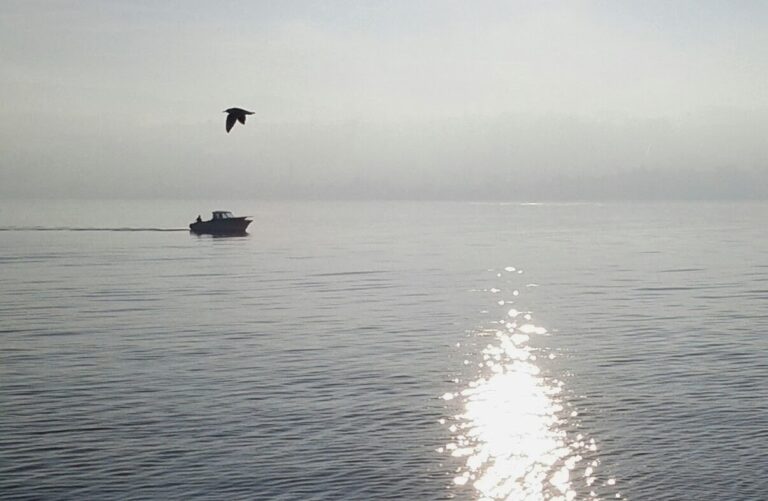
I doubt that Silvanus saw many motor boats from his hillside home on Elba. But he certainly watched the birds and shipping. And dreamed of adventure in the big, wide world. Perhaps that is what inspired me to take a day off work and go ‘sailing’ in the MS Panta Rhei on the Zürichsee. In spite…

AD 536 saw the most protracted episode of climatic cooling. We talk a lot about global warming. But sometimes the opposite happens. Was it caused by one or more massive volcanic eruptions? The so-called volcanic winter of AD 536 was certainly an uncanny phenomenon. The sun went dark for eighteen months throughout the Northern Hemisphere….
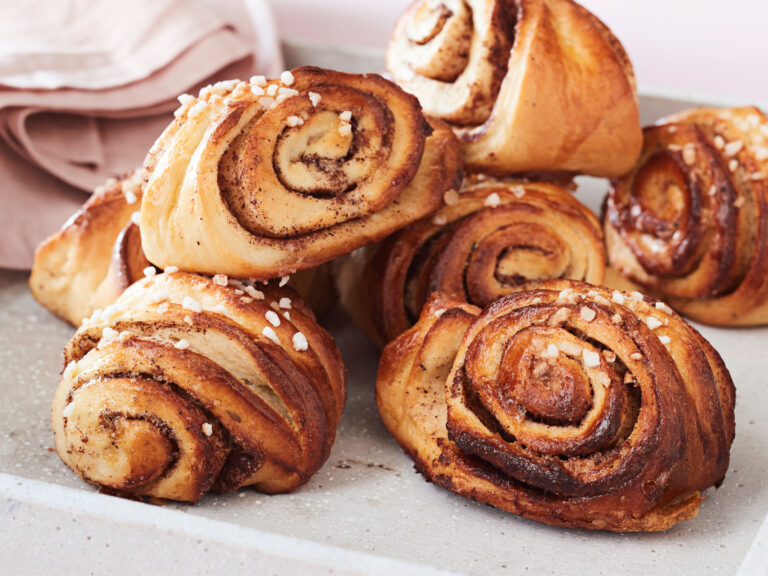
My brain was addled and my neck ached. I had been sitting too long in front of the computer. I couldn’t even motivate myself enough to procrastinate. And then I saw the sun was shining. Why not grab one of the tasty korvapuustit my wife had just baked and head for the woods? Who would have…
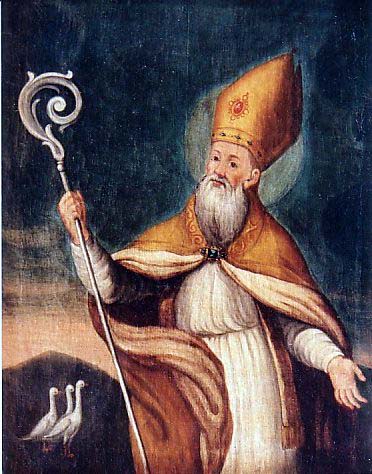
Cerbonius was a colourful character. I could describe him as a priest, a refugee, a hermit, a bishop, a bear-tamer, an animal-lover, a miracle-worker. He caused a sensation as a papal visitor, but the Roman Catholic Church later canonised him. I like to remember him for his intimate relationship with God. St. Gregory the Great…
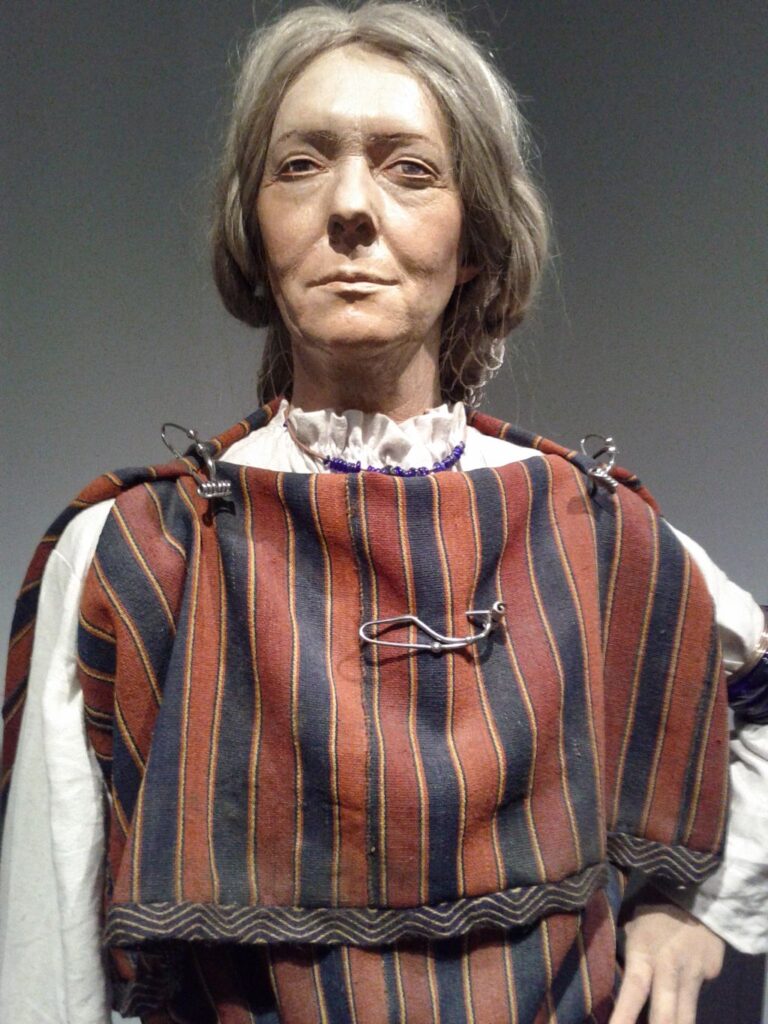
Food Cereals, vegetables and fruits were certainly more common on the table than meat. But since these – unlike bones – are seldom preserved, this is difficult to verify. Common foods were certainty oats, spelt and einkorn; somewhat less common barley, rye, cone wheat, emmer, and millet. From these, porridge, grit and flour were made. Legumes, olives…
| Cookie | Duration | Description |
|---|---|---|
| cookielawinfo-checkbox-analytics | 11 months | This cookie is set by GDPR Cookie Consent plugin. The cookie is used to store the user consent for the cookies in the category "Analytics". |
| cookielawinfo-checkbox-functional | 11 months | The cookie is set by GDPR cookie consent to record the user consent for the cookies in the category "Functional". |
| cookielawinfo-checkbox-necessary | 11 months | This cookie is set by GDPR Cookie Consent plugin. The cookies is used to store the user consent for the cookies in the category "Necessary". |
| cookielawinfo-checkbox-others | 11 months | This cookie is set by GDPR Cookie Consent plugin. The cookie is used to store the user consent for the cookies in the category "Other. |
| cookielawinfo-checkbox-performance | 11 months | This cookie is set by GDPR Cookie Consent plugin. The cookie is used to store the user consent for the cookies in the category "Performance". |
| viewed_cookie_policy | 11 months | The cookie is set by the GDPR Cookie Consent plugin and is used to store whether or not user has consented to the use of cookies. It does not store any personal data. |
One Comment